
Your Cart
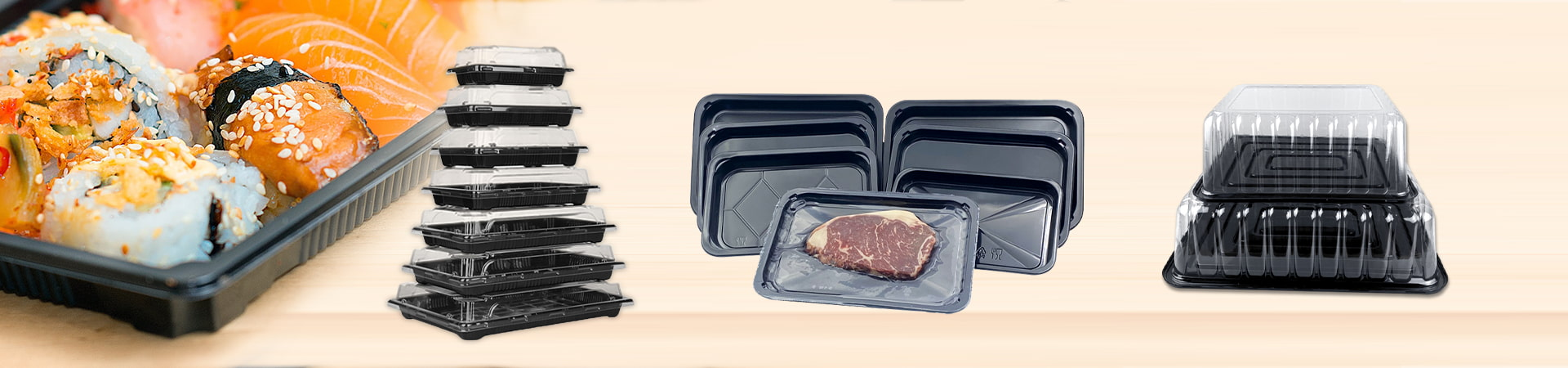
Choosing Disposable Food Trays for Christmas Catering and Holiday Meals
Christmas catering is a different operation from a normal week. Volumes jump, menus shift to large shared dishes, and food sits longer before it is served — on a buffet, in a delivery van, or at an office party. The disposable tray you used all year is suddenly carrying roast meats with jus, gravy-loaded sides and stacked transport, and the failures show up exactly when the client is watching.
This guide is for caterers, delis and food brands planning holiday meals. It focuses on the Christmas-specific pressures — hold time, sauce volume, stacked transport and presentation at a shared table — and how to spec a tray that survives them. It is not a general disposable-tray buying guide; it assumes you already know the basic material choices.
Hold Time Is the Hidden Spec
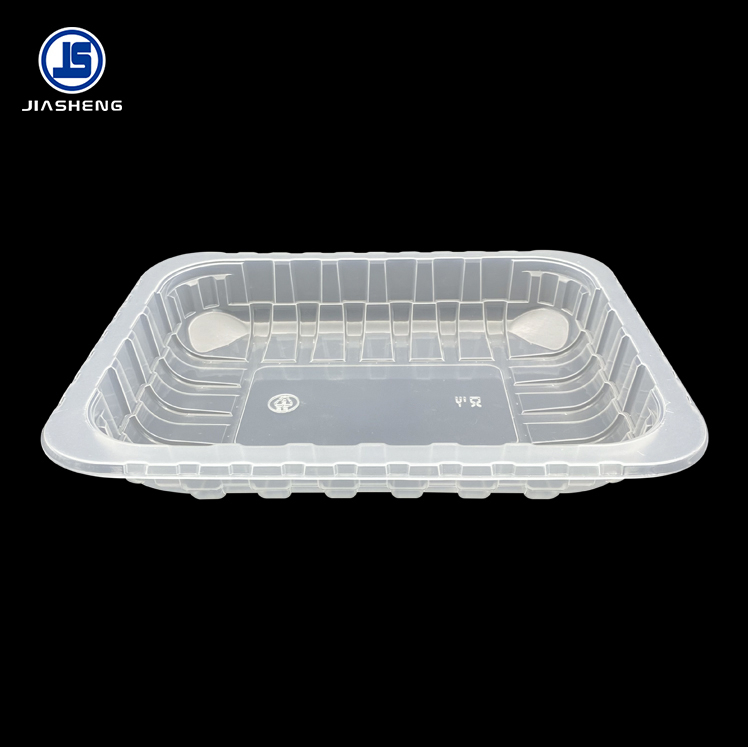
A Christmas service rarely plates and serves in one move. Trays are filled ahead, held under heat lamps or in warmers, then moved and served. That hold time is where a thin tray softens at the rim and a weak seal weeps. The tray has to keep its shape under a full load for the entire service window, not just while it leaves the kitchen. A rigid PP food tray holds its shape because stiffness is built into the material and the ribbed base, not added as a thin afterthought.
Ask what the filled tray does after an hour at temperature. A spec that only passes at packing time is a spec that fails at service time.
Sauces Decide the Compartment Layout
Holiday menus are sauce-heavy: jus on the meat, gravy on the sides, cranberry on the plate. The compartment design decides whether those sauces stay where they belong. Match the tray to the menu, not to a generic meal-prep layout.
| Holiday menu type | Tray requirement | Failure if mismatched |
|---|---|---|
| Roast meat with jus | Deep compartment, leak-proof rim, separate sauce well | Jus migrates into sides and the tray weeps in the crate |
| Mixed buffet platter | Multiple equal compartments with a rigid divider | Flavours blend and the presentation looks careless |
| Family-style shared sides | Large single wells with a high stack load rating | Base bows under weight and the lid pops at the corners |
| Reheat-at-home meals | Microwave-safe base with a vented or removable lid | Customer must decant, or the lid warps in the microwave |
A five-compartment food tray works when the menu needs separation, while a leak-proof meal tray is the better call when sauce volume dominates. Choosing on menu type beats choosing on price per tray, because a weeping tray costs more in refunds than it saves in unit price.
Stacked Transport Is the Real Test
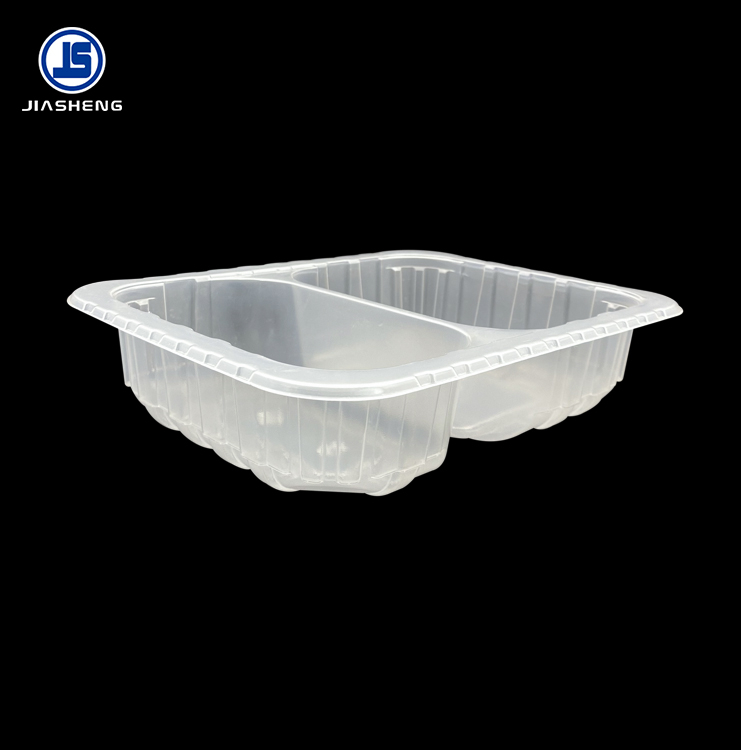
Catering trays rarely travel one at a time. They ride in crates, vans and delivery bags, stacked several high and tilted at every stop. That is why stacked load rating matters more than an empty-tray flex test. Load each tray with the real menu, stack the number you actually carry, and check three things: the base does not bow into the food, the rim stays sealed at the corners, and the top tray does not crush the one below. For the reasoning behind compartment separation in catering, the PP food tray in catering breakdown covers the same principle in a different setting.
Presentation at the Shared Table
A Christmas buffet is judged by eye before anyone picks up a fork. Food that has travelled in a crate and then been tipped onto a shared table needs to arrive looking deliberate, not slumped. A rigid tray with clean compartment lines keeps each dish defined on the buffet, and a snug-fitting lid or film protects the surface until the cover comes off. Presentation here is not decoration — it is the structure holding the food in place.
If the tray doubles as the serving vessel, check that the rim looks clean when the lid is removed and that the dividers read as intentional separation rather than spilled portions. A tray that survives transport but arrives with sauce over the rim still fails the client, because the first impression is the buffet table, not the kitchen.
End-of-Service and Disposal
Holiday events generate a lot of waste in a short window, and caterers are increasingly asked what happens to the packaging afterwards. A single-material PP tray is simpler to sort than a mixed construction, and a stackable, nestable design cuts the volume of used trays waiting for collection. Ask about the material stream before you order, not after the event, especially if your client has a sustainability commitment in the contract.
None of this should come at the cost of the service itself. The right tray protects the food through the longest hold, stacks safely in the van, looks composed at the table, and still gives the venue a straightforward disposal story. Those four requirements define the spec; price per unit belongs after them, not before.
The Holiday Service Checklist
- Fill each tray with the real Christmas menu and hold it for the full service window.
- Check the rim and corners for weeping after an hour with sauce-heavy dishes.
- Stack the number of filled trays you actually transport and inspect the bottom tray.
- Confirm the base is microwave-safe if the recipient will reheat, and note which parts are not.
- Verify the tray fits your warmer, display and delivery crate before the festive order.
Five Questions to Ask Your Tray Supplier
- What is the loaded stack rating, and was it tested with hot, sauce-heavy food?
- Is the base microwave-safe, and which lid or film is rated for reheating?
- Can you supply a compartment layout that keeps jus away from sides?
- Do you hold standard festive volumes in stock, or is a custom tool needed?
- Can you provide a food-contact declaration for the exact material and lid film?
Frequently Asked Questions
What tray works best for a Christmas catering service?
Choose by menu: deep leak-proof wells for sauced mains, multiple compartments for mixed platters, and a rigid base for stacked transport. A single generic tray rarely suits a whole holiday menu.
How do I stop gravy leaking in a delivery crate?
Use a tray with a sealed rim and a dedicated sauce compartment, then test it filled and tilted. Most leaks start at the rim corners under stacked weight, not at the lid centre.
Can catering trays go in the microwave?
Many PP bases can, for reheating. The lid or film usually cannot, so specify a base-only reheat and make that clear to the recipient.
How many compartments do I need for a holiday meal?
One per item that must stay separate — typically mains, sides and sauce. More compartments help presentation, but only if each is deep enough for the real portion.
Is it too late to order custom trays for Christmas?
For a new tool, usually yes. A standard compartment tray in the right size is the realistic late-season route, especially when you need stock before the holiday week.
Spec Trays for Your Holiday Menu
Leak-proof, stackable PP food trays and compartment layouts built for Christmas catering. Free samples for evaluation.
Request a Free Sample