
Your Cart
Blister Packaging Buyer's Guide: Carded, Clamshell or Tray
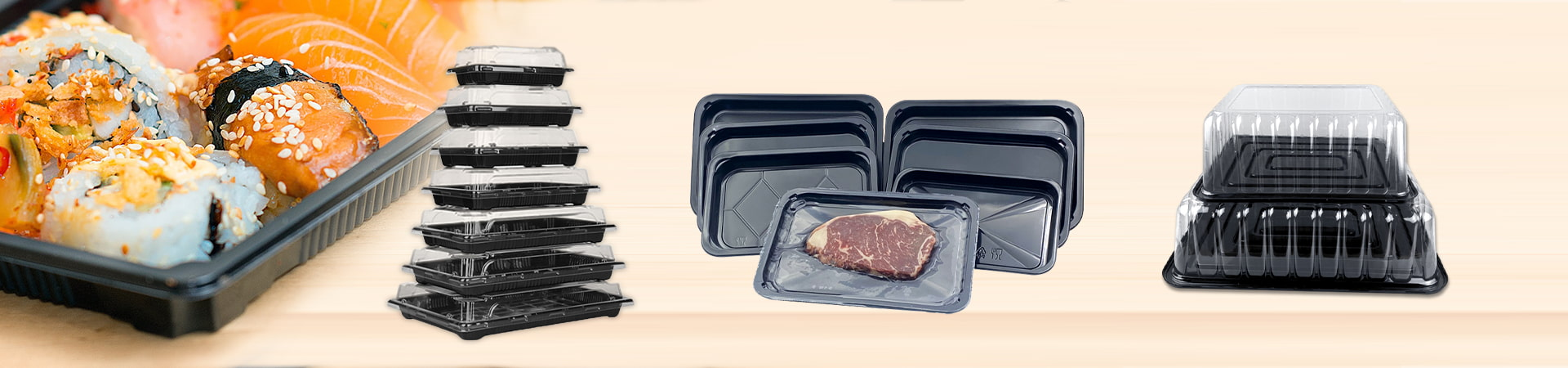
“Blister packaging” is a family name, not a single product. A carded blister on a peg, a folding clamshell for a tool, and a thermoformed tray for a device are all called blisters, yet they solve different problems and fail in different ways. Buyers who specify the format by habit end up paying for the wrong one.
This guide compares the three formats a custom blister packaging supplier will actually quote: carded blister, folding clamshell and thermoformed tray. It covers where each earns its cost, how tooling material changes the outcome, and what to check before a purchase order. For medical applications, the same logic applies with a higher compliance bar — see the custom medical blister tray range for the tighter end of the spec.
Format One: Carded Blister
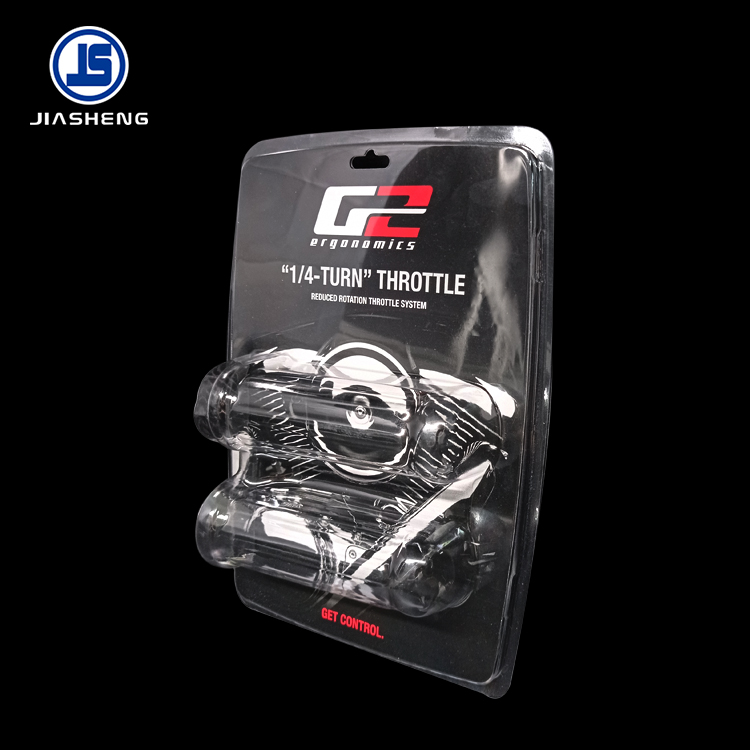
A carded blister is a formed plastic cavity heat-sealed or stapled to a printed card, with a hang hole for peg display. It is the classic retail format for small, lightweight goods: accessories, stationery, small hardware and promotional items.
Strengths: low tooling cost, excellent print surface, strong shelf presence and efficient peg display.
Limits: weak for heavy or sharp products; the card can bend; once opened, the pack is destroyed.
The card is the weak point in transit. If the product has any weight, the seal line can peel and the card can bow. Specify board weight and seal area explicitly rather than leaving it to the printer.
Format Two: Folding Clamshell
A folding clamshell is one piece of formed sheet with a living hinge and a tuck or lock closure. It removes the card, so the whole pack is a single material and the product can be displayed from both sides. It suits tools, electronics accessories, toys and any item that benefits from being handled in store.
Strengths: no separate card, reusable closure, good theft deterrence when sealed, single-material recyclability.
Limits: larger sheet area per unit; the hinge is a wear point; print is limited to a label or an insert.
A clamshell can be opened and closed many times, which is useful for demonstration products, but that same feature means retailers may need a seal or security tag. Decide whether the pack must be tamper-evident before choosing the lock style.
Format Three: Thermoformed Tray
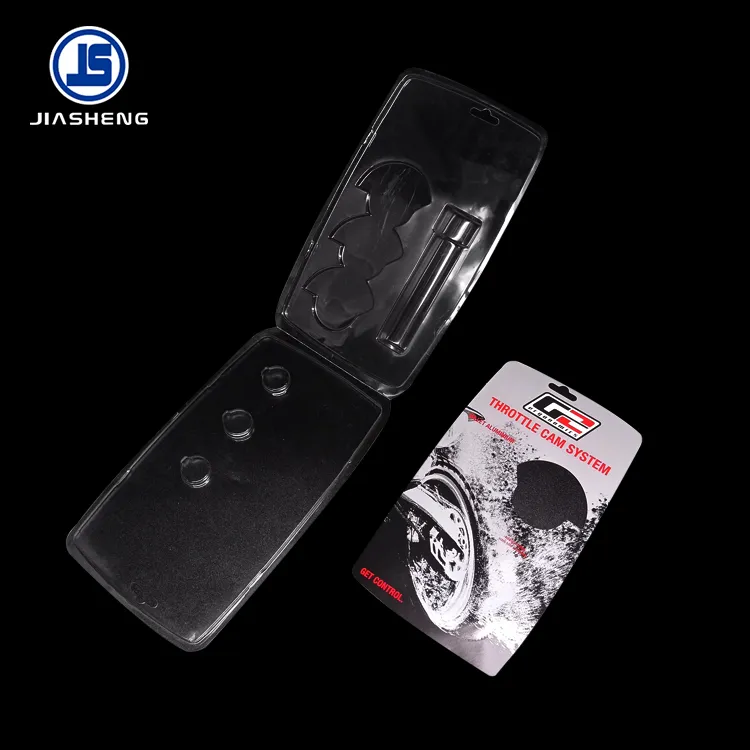
A thermoformed tray is an open formed cavity used as an insert, a display base or a component of a sealed pack. It appears inside gift boxes, in medical device packaging and under shrink film or a lidding material. It is the workhorse format when the product needs locating rather than hanging.
Strengths: excellent product locating and protection, flexible cavity design, works as an insert in a larger pack.
Limits: not a finished retail pack on its own; needs an outer carton, lid or film.
A tray is often the correct choice when the real problem is movement inside a box. A well-designed blister pack holds the product in a fixed position so it arrives in the same orientation it left the line.
Tooling Material Changes the Outcome
| Tool / sheet material | Best for | Watch-out |
|---|---|---|
| PETG sheet | Clear retail blisters and trays; easy forming | Softer surface; check scratch resistance in transit |
| PVC sheet | Cost-sensitive formats with deep draw | Recyclability concerns in some markets |
| PP sheet | Living hinges, tough trays, food contact | Less glass-like clarity than PET |
| Aluminium tool | Sampling and short-to-medium runs | Wear at high volume; plan for replacement |
The Selection Rule
Choose by how the product is sold and handled, not by which format is most familiar. If it hangs on a peg and is small, start with carded. If a shopper should handle it or the pack must be reused, start with a clamshell. If it must be located, protected or assembled into a larger pack, start with a tray.
Five Checks Before You Order
- Drop-test the filled pack, not the empty one. Weight changes every failure mode.
- Confirm the seal or lock spec in writing. “Standard” means different things to different suppliers.
- Check recycling compatibility of every component. Card, blister and label must match the claim.
- Ask for the sample timeline and revision cost. Design changes are normal in the first round.
- For medical, confirm the cleanroom and validation scope. The tray is part of the device system.
Shelf Life and Theft: Two Retail Variables
Format choice changes how long a product survives on a shelf. A carded blister protects a small item but leaves the card exposed to bending and moisture; a folding clamshell can be opened and reclosed, which is useful for demonstration but weak against theft unless it is sealed. A tray inside a carton is well protected but cannot sell itself on a peg. Those are commercial decisions as much as packaging ones, and they should be made before the tooling conversation starts.
For theft-prone goods, decide whether the pack must be tamper-evident. A sealed clamshell with a security tag answers that directly. A carded blister can be made harder to open with a stronger seal, but the card still tears. If the retailer requires a specific hook or hang-hole standard, confirm it in writing before artwork is final — a misplaced hang hole can invalidate an entire print run.
Sustainability claims deserve the same scrutiny. A single-material clamshell is easier to recycle in principle, but the claim only holds if the local stream accepts that material and the label does not contaminate it. A carded blister combines paper and plastic, which may be fine where both are collected separately and poor where they are not. Name the destination market when you discuss recyclability.
Frequently Asked Questions
Which blister format is cheapest? Carded blister usually has the lowest tooling cost at low volume. At higher volume, a simple tray can be cheaper per part because it uses less sheet and no card.
Can a clamshell be recyclable? Yes, if the whole pack is one material family and a local stream accepts it. PET and PP clamshells are common candidates.
What is the difference between a blister and a clamshell? A carded blister is formed plastic sealed to a card. A clamshell is a folding, self-contained plastic pack with a hinge and lock.
When do I need a tray instead of a finished blister? When the product needs positioning inside a gift box, a shipping carton or a sterile overwrap rather than hanging on a shelf.
How to Brief a Blister Project
Give the supplier four things at the first conversation: the product with its real dimensions and weight, the way it will be sold, the number of units you expect in a year, and any compliance or recycling claim the pack must support. Those four answers eliminate most of the wrong-format quotes that slow down a project. A photo of the current pack and a note on what is wrong with it is often more useful than a formal specification at this stage.
Then agree what a successful sample looks like before it arrives. For a carded blister, that might be a defined seal strength and a drop test; for a clamshell, a hinge cycle count and a tamper-evident closure; for a tray, a fit check inside the outer carton. Writing those criteria down turns sample approval into a decision instead of a discussion.
Tell us the product and the shelf, and we will spec the format
Talk to Jiasheng About Your Pack